Salt Like a Chef
Taste what’s happening. Figure out what it needs. Know what to do next.
Salt Like a Chef is a four-week palate-training course for home cooks who want to season with confidence, troubleshoot food when something isn’t quite right, improvise more freely, and rely less on recipes.
The next cohort begins September 28th, 2026
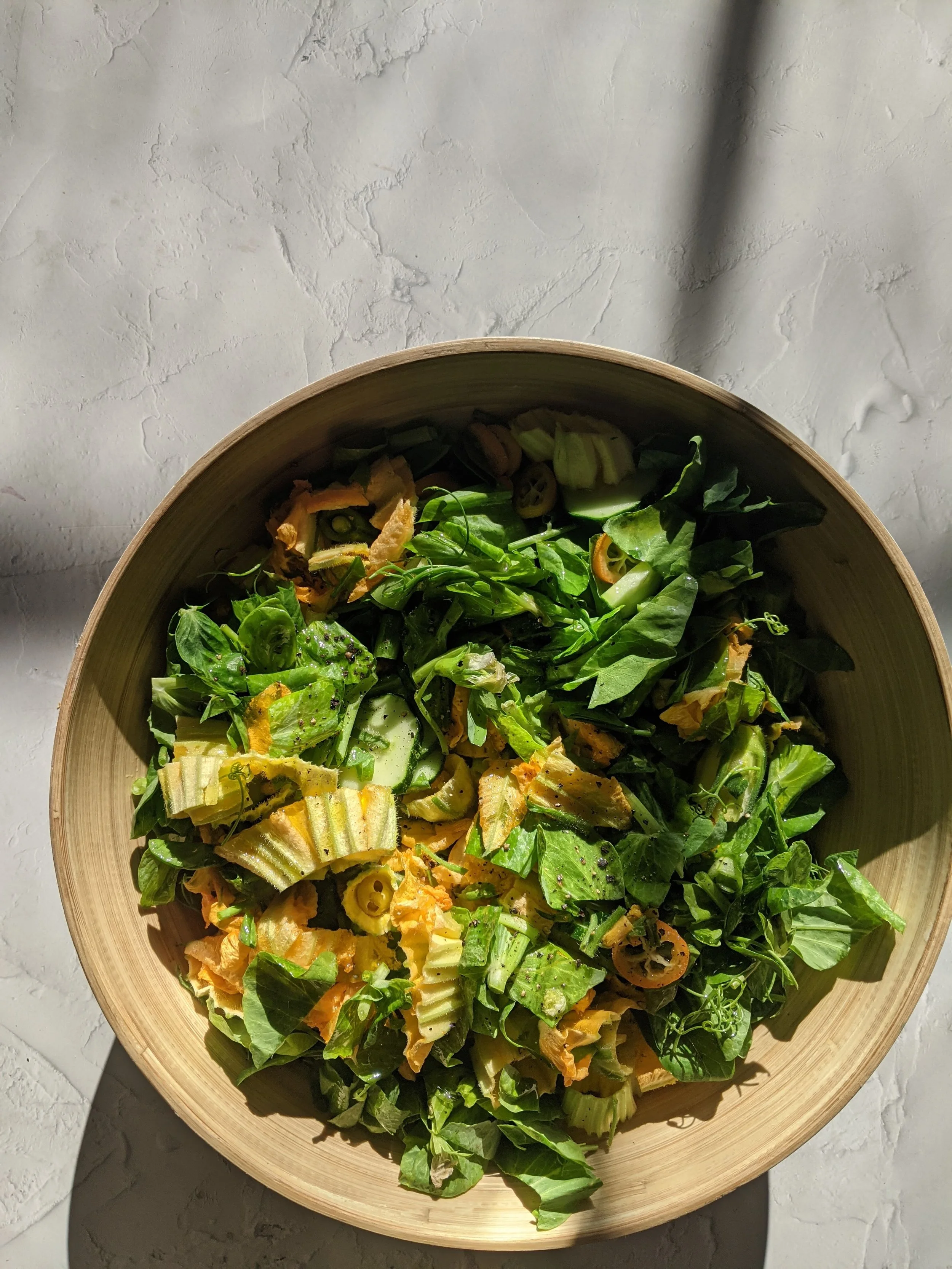
“Taste and adjust seasonings.” Okay...but adjust what?
You know the moment. Dinner is almost there, but something is off.
It tastes flat. Or too sharp. Maybe a little bitter. You followed the recipe, but it still doesn’t taste as good as you want it to.
Do you add more salt? A squeeze of lemon? Something sweet? More fat? Did you need to season earlier? And how do you know when to stop?
Recipes are good at telling you what someone else did. They’re much less useful at teaching you how to respond to the food in front of you.
That’s what we work on in Salt Like a Chef.
This course will help you:
Taste more deliberately and recognize what your food needs.
Understand how salt, sour, sweet, bitter and umami affect one another.
Season throughout the cooking process instead of hoping one final adjustment will fix everything.
Rescue food that is too salty, flat, bitter, sharp or simply not quite there.
Swap ingredients and improvise without losing the balance of the dish.
Build enough flavor memory to trust your own judgment more—and the recipe a little less.
Why salt?
Salt is where we start because it gives us one of the clearest ways to learn how seasoning changes our perception of food.
Salt can sharpen sweetness and umami, temper bitterness, change how we perceive sourness, and make the flavors already in a dish easier to notice.
So yes, you’ll become much better at using salt.
But Salt Like a Chef isn’t really about making food saltier.
We use salt to learn how to taste.
Over four weeks, you’ll taste things side by side, change one variable at a time, cook familiar foods in different ways, troubleshoot mistakes, and begin recognizing what your food is asking for.
What we’ll do over four weeks
-
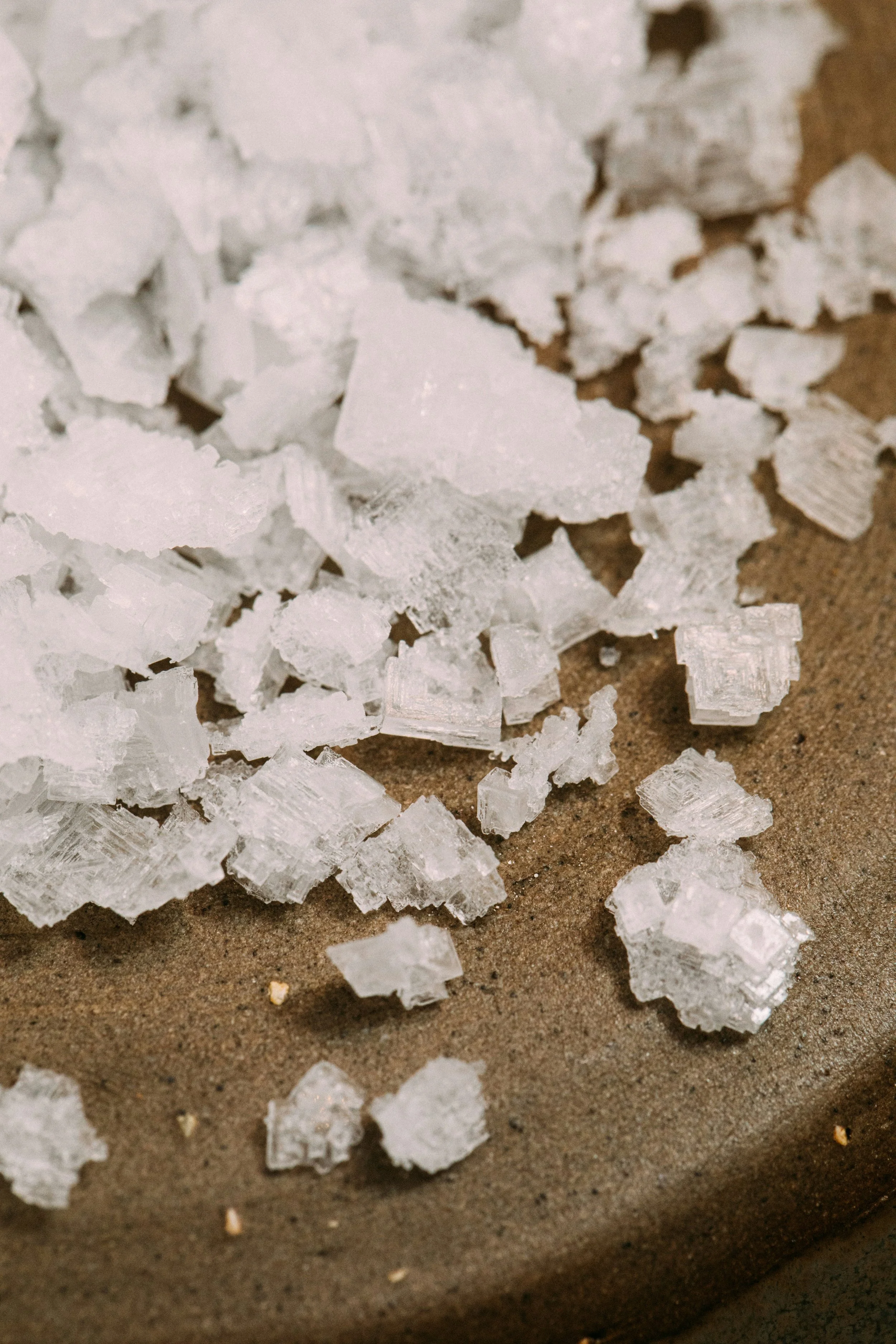
Week 1: Salt 101
We start with the seasoning most cooks use every day but rarely stop to examine.
You’ll compare different salts and salty ingredients, notice how crystal size and texture affect seasoning, and start paying attention to what changes as you add salt to food.
You’ll also begin working with dishes you already know how to make so you can focus less on technique and more on what you’re tasting.
You’ll practice:
Comparing salts side by side
Recognizing different sources of salt in your pantry
Swapping salt for ingredients like miso, tamari or Parmesan
Tasting deliberately instead of seasoning automatically
-

Week 2: Balance Salt with Sour & Sweet
Once you can notice what salt is doing, we add two more tastes to the conversation.
You’ll explore how acidity can brighten food, how sweetness can change the perception of salt, and why some ingredients—pickles, fermented foods, cheeses, preserved lemon—bring several tastes at once.
Instead of asking, “Does this need more salt?” you’ll start asking, “What is actually missing?”
You’ll practice:
Using acid to adjust and balance a dish
Noticing the relationship between salt and sour
Exploring how salt changes sweetness
Comparing different ways to season the same food
-

Week 3: Work with Umami & Bitter
This week we add two tastes that are often harder to identify but hugely important when you’re trying to understand why food works—or doesn’t.
You’ll look at how salt can amplify umami, how it can soften bitterness, and how ingredients like miso, soy sauce and fermented foods can season in more than one way at once.
You’ll practice:
Building savory depth without simply adding more salt
Recognizing when bitterness is useful and when it needs balancing
Layering salty and umami-rich ingredients
Making small changes and tasting the result side by side
-

Week 4: Fix It, Adjust It, Trust Yourself
This is where everything comes together.
You’ll practice seasoning incrementally, learn what to do when food is over-salted or under-seasoned, and work through dishes that are flat, harsh or out of balance.
We’ll also talk about something recipes rarely acknowledge: ingredients change. Your tomatoes are not my tomatoes. Your eggplant in February is not your eggplant in August. A recipe can give you a starting point, but eventually you have to taste the food in front of you.
You’ll practice:
Correcting food that is too salty
Fixing food that tastes flat or unfinished
Seasoning before, during and after cooking
Using a tasting bowl to experiment before changing the whole dish
Knowing when to follow the recipe and when to override it
You won’t learn this by just watching someone else cook
Salt Like a Chef is built around practice.
Each week builds on the last. You’ll learn a principle, taste it for yourself, then apply it to food you already cook.
Rather than constantly making new recipes, you’ll return to familiar dishes and change one thing at a time.
Cook → Taste → Change one thing → Taste again → Compare → Repeat
That repetition is intentional.
When you make the same soup, dressing, vegetable or grain dish more than once, you start to notice what actually changed. You build flavor memory instead of simply following instructions.
Throughout the four weeks, you’ll:
Do side-by-side tastings so you can experience differences for yourself.
Experiment with ingredients you already have.
Repeat familiar dishes while changing one element at a time.
Use tasting exercises and assignments to practice each week’s ideas.
Bring questions and experiments to the course forum.
Join live sessions where we’ll taste, troubleshoot and work through seasoning decisions together.
You do not need to cook elaborate meals. Simple food is often the best place to practice because each change is easier to taste.
By the end of the course, the goal is not to memorize seasoning rules.
It’s to taste something, think, “This isn’t quite right,” and have a much better idea of what to do next.

What’s included
Four weeks of guided palate training with short video lessons and practical tasting exercises
Four live classes for demonstrations, troubleshooting, discussion and Q&A
Course worksheets and tasting guides to help you track what you notice and compare results
A private course forum for questions, experiments and feedback throughout the cohort
The live cohort runs for four weeks, but your access doesn’t end there. You can revisit the course materials for the life of the program
Free access to future live cohorts if you want to repeat the course and keep practicing
You’ll also receive a simple guide to the salts and salty ingredients used in the course. You do not need an elaborate pantry or a collection of fancy salts to join.


Is Salt Like a Chef for you?
Salt Like a Chef is for curious home cooks who want to understand what they’re tasting and not just follow instructions.
It’s a good fit if you:
Cook regularly but still second-guess your seasoning.
Follow recipes well but want to feel more comfortable improvising.
Sometimes know a dish is “off” but aren’t sure why.
Want to understand how salt, sour, sweet, bitter and umami work together.
Have ingredients like miso, soy sauce, vinegar, Parmesan or fermented foods in your kitchen and want to use them more intentionally and creatively.
Want to build confidence through tasting and practice rather than memorizing rules.
You do not need to be an advanced cook. You also do not need expensive ingredients, fancy equipment or a collection of specialty salts.
This probably isn’t the course for you if:
You mainly want a collection of new recipes.
You’re looking for a passive course you can watch without doing any tasting or cooking.
You want rigid rules that tell you exactly how much seasoning every dish needs.
Salt Like a Chef asks you to pay attention, experiment and taste for yourself. That’s where the learning happens.

What students say

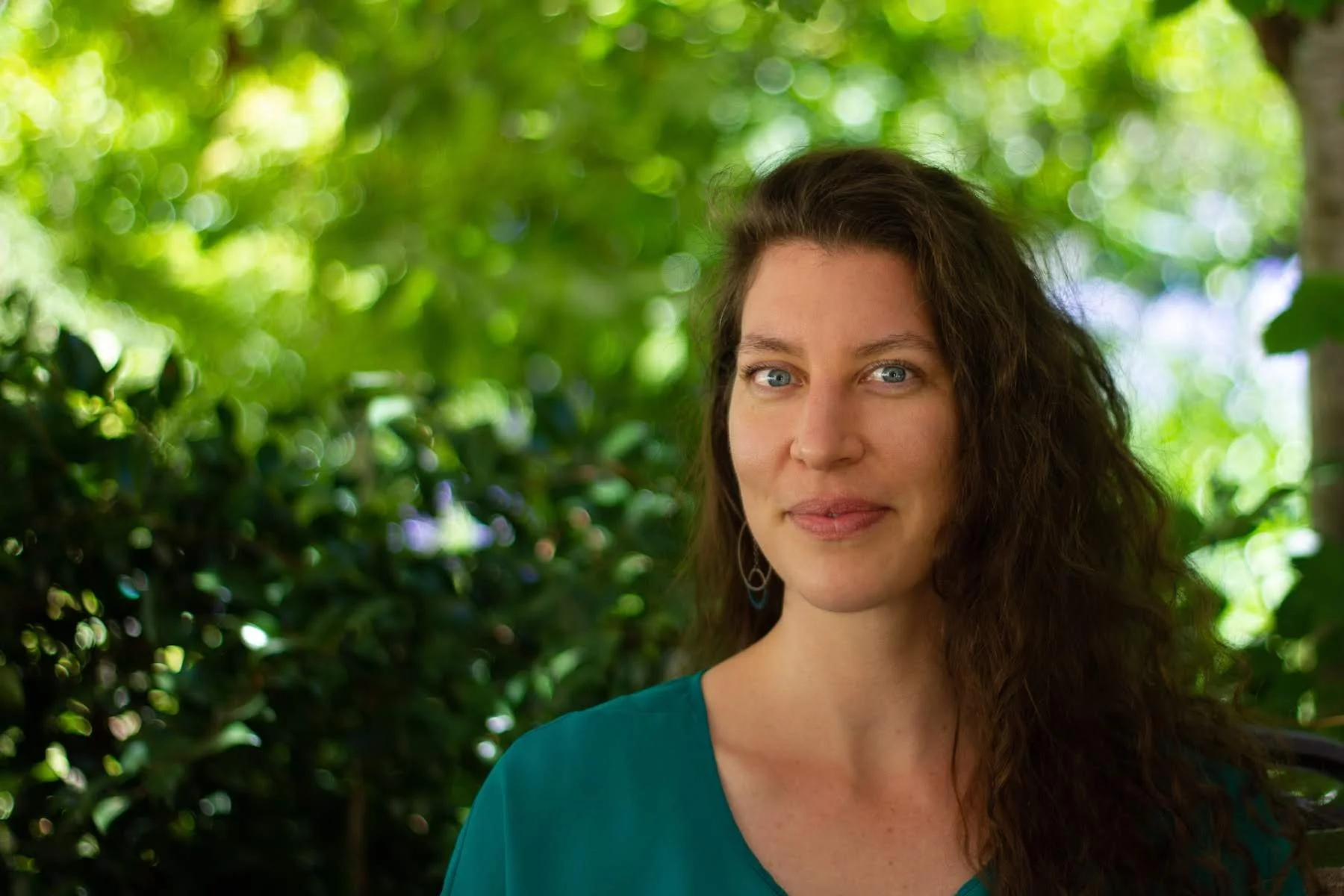
Hi, I’m Marie.
I’m a chef, educator and recipe developer, and I’ve spent years teaching home cooks how to make food taste better without making cooking more complicated.
Again and again, I’ve seen capable cooks follow a recipe successfully and still end up disappointed by the result. The missing piece usually isn’t another technique or ingredient. It’s knowing how to taste what’s happening and respond to it.
That’s why I created Salt Like a Chef.
My teaching is less about showing you the “right” way to make one particular dish and more about helping you understand what’s happening so you can make better decisions in any kitchen.
I want you to leave with more than information. I want you to taste more closely, experiment more freely, recover when things go sideways, and make the food your own.
Or, as one SLAC alum put it:
“Beyond learning to salt like a chef, I’m learning to think like a chef.”
— Carol, SLAC Alumni
Choose your experience
-
Core
Includes the full four-week program:
Short video lessons and palate-training exercises
Four live classes
Course worksheets and tasting guides
Private course forum
Access to the course materials for the life of the program
Free access to future live cohorts
Payment plan available
Price: $449
-
Private
Everything in Core, plus three private, virtual 60-minute sessions with Marie.
These sessions are your chance to take the ideas from SLAC into your own kitchen with focused, individual guidance. We can taste through food together, troubleshoot dishes that never quite come out the way you want, work on seasoning and balancing your favorite recipes, or dig into the specific areas where you want to become a more intuitive cook.
You’ll get direct feedback on how you taste, where you tend to hold back, and what to pay attention to as you make decisions in real time.
Private is ideal if you want to go beyond understanding the framework and have help applying it to the way you actually cook.
Private enrollment also includes a complimentary year of the Hedonist in Moderation Substack
This option has very limited availability for personalized attention.
Payment plan available
Price: $1599

✺ Frequently asked questions ✺
-
Item The Fall 2026 cohort begins September 28 and runs for four weeks.
The live classes will be held on:
October 4 at 11:00 a.m.
October 11 at 11:00 a.m.
October 18 at 11:00 a.m.
October 25 at 11:00 a.m.
All times are Pacific.
Replays will be sent out shortly after each class.
-
The live classes will be recorded, so you can catch up if you need to miss one.
That said, I strongly encourage you to come live whenever you can. This is where we troubleshoot, taste together, work through questions, and put the week’s ideas into practice.
-
Plan on roughly 3-5 hours per week, including the short lessons, tasting exercises and live class.
You will not be making complicated, elaborate meals. Much of the practice is designed to happen with food you’re already making.
-
No.
You should be comfortable enough in the kitchen to prepare simple meals, but you do not need advanced techniques or professional experience.
Experienced cooks also tend to get a lot out of SLAC because the course focuses on something recipes and traditional cooking classes often skip: learning how to taste, diagnose and make decisions for yourself.
-
No.
Start with what you already have. You’ll receive a guide to salts and salty ingredients, but there is no need to build an elaborate pantry for this course.
In fact, part of the point is learning to use ingredients you already own more intentionally.
-
No. Salt is where we start.
We use it as a training ground for understanding how seasoning changes food and how salt interacts with sour, sweet, bitter and umami.
The larger goal is to become better at tasting, troubleshooting, balancing and making decisions without relying completely on a recipe.
If you’ve ever wondered how to season food without depending entirely on a recipe, that’s the larger skill we’re practicing -
Yes.
The skills in Salt Like a Chef apply across cooking styles and diets. The focus is on tasting and seasoning rather than mastering a particular cuisine or collection of recipes.
I teach from a largely vegetable-forward kitchen, and the exercises are flexible enough to adapt to what you cook at home.
-
You’ll have access to a private forum housed with the course, where you can post your tasting experiments, ask questions and compare notes with other students.
Unlike the platforms I’ve used for previous cohorts, the new forum is designed to make discussions easier to title, follow and find again.
-
The live cohort lasts four weeks, but your access doesn’t end there.
You’ll continue to have access to the course materials for the life of the program, and you’re welcome to return for future live cohorts at no additional cost.
-
If you completed the course, did the work and your food doesn’t taste better, email hello@hedonistinmoderation and we’ll make it right.
Finish all the lessons + all the exercises
Show your work (simple notes/photos/forms)
Tell us what didn’t improve
If you’ve completed those steps and your food still doesn’t taste better, we’ll issue a full refund.
Refund requests are due by November 1st, 2026 11:59pm Pacific
-
Core includes the complete Salt Like a Chef program: lessons, tasting exercises, four live classes, course materials and the private forum.
Private includes everything in Core plus three private 60-minute Seasoning Sessions with me.
These are for students who want individual feedback and help applying the course to their own cooking.
-
Yes!
-
Email hello@hedonistinmoderation and we’ll get you taken care of.
Private
Want more individualized support and attention?
Includes the full program plus three private 60-minute Seasoning Sessions with Marie.
Private: $1,599
We begin September 28th, 2026
CORE
If you want to taste more clearly, troubleshoot with more confidence, and make decisions without leaning so heavily on recipes, this is what we’ll practice together for four weeks.
Core: $449 or 2 payments of $250